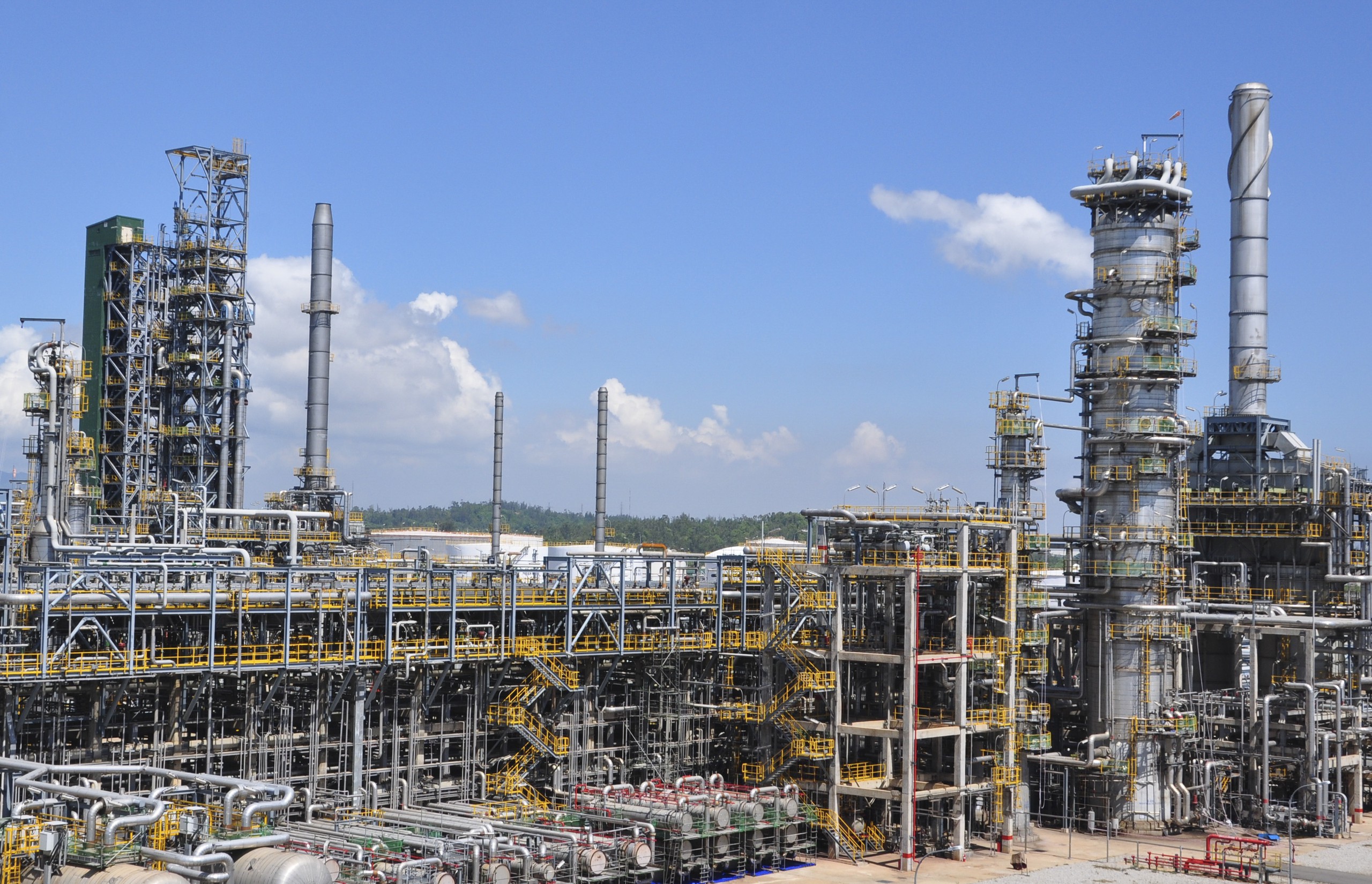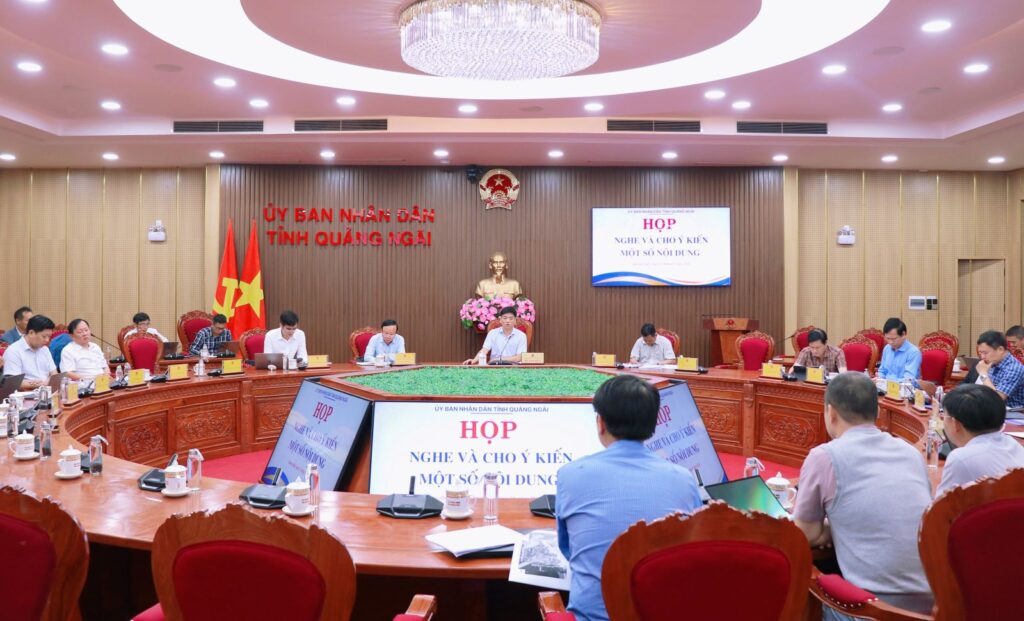
On 15 January 2026, Mr. Do Tam Hien, Vice Chairman of the Quang Ngai Provincial People’s Committee, chaired a meeting to review an investment proposal for the Liquefied Natural Gas (LNG) Port, Terminal, and Storage Project in Dung Quat Economic Zone (DQEZ). At the meeting, the Vice Chairman emphasized that the project is consistent with the province’s strategic orientation to attract investment in high technology, new energy, and clean energy sectors, and also in line with Vietnam’s broader energy transition agenda.
The proposed project has a total capacity of 0.5 million tonnes LNG per year during the initial rapid gas supply phase, followed by an additional 0.7 million tonnes per year in Phase I. The total estimated investment capital is approximately 145 million USD, with an operational period of 50 years from the date of land allocation or lease by the State.
The project encompasses the construction of an LNG port, storage facilities, regasification systems, and associated pipeline infrastructure connecting the terminal to industrial customers. In addition to LNG trading, the project envisions the production of electricity and steam through a cogeneration system to supply energy for enterprises within the Dung Quat Economic Zone and surrounding industrial parks. The development is expected to contribute to cleaner and safer fuel source, reduced environmental impact, and enhanced LNG demand for large-scale industrial projects currently under implementation in the Dung Quat Economic Zone and Quang Ngai province.
As Vietnam accelerates its transition toward cleaner energy sources under its national power development plans, LNG is emerging as a critical transitional fuel to ensure energy security while reducing carbon emission. The establishment of LNG infrastructure in central Vietnam, particularly within a major industrial hub such as Dung Quat Economic Zone, could reshape regional energy supply chains, industrial competitiveness, and cross-border trade dynamics of Vietnam. BIC in Ho Chi Minh City opines that, given Thailand’s own energy interests in the region, together with its established expertise in LNG and gas-to-power development, proactive monitoring and early engagement as well as timely policy coordination would help to ensure that Thailand remains well-positioned to safeguard its economic interests and competitiveness as well as be able to identify opportunities for constructive collaboration in Vietnam’s evolving energy landscape and long-term economic cooperation in other relevant sectors.
* * * * *
References: 1. Cong thong tin dien tu Quang Ngai
2. The Saigon Times, 17 January 2026